
Looking for the best summer tech programs for teens? This 2026 guide breaks down top options, what to look for, and how to choose the right fit.
Choosing the right summer program for your child can feel overwhelming, especially in a space that’s grown as quickly as technology education. There are more options than ever, but not all of them deliver the same experience.
This guide is designed to help you understand what actually matters when evaluating summer tech programs and to give you a clear look at some of the strongest options available in 2026.
We’ve spent over two decades working with students in this space, and what we’ve learned is simple: the structure of the program matters just as much as the content.
What Makes a Great Tech Summer Program?
Before looking at specific programs, it’s important to understand what separates a meaningful experience from one that’s simply “exposure.”
Here are the factors that tend to make the biggest difference:
1. Class Size and Individual Attention
Smaller groups allow students to ask questions, stay engaged, and actually understand what they’re learning. Larger lecture-style programs often limit this.
2. Hands-On Learning
The best programs prioritize building, creating, and problem-solving over passive instruction. Students should leave with real work they’ve created.
3. Depth Over Breadth
A strong program focuses on mastering core concepts rather than rushing through multiple topics. Depth leads to confidence.
4. Instructor Quality
Instructors should not only understand the material but know how to communicate it clearly. This is often overlooked but is one of the most important variables.
5. Opportunities for Leadership
Programs that allow students to take on responsibility, collaborate, or even teach others tend to accelerate both technical and personal growth.
6. Community and Environment
The social experience matters. Students learn more when they feel comfortable, supported, and part of a community.
Types of Summer Tech Programs
Not all programs are designed with the same goals in mind. Understanding the categories can help you find the right fit.
Pre-College University Programs
These are often hosted by universities and designed to simulate a college experience. They tend to be larger and more structured, with a focus on academic exposure.
Specialty Tech Camps
Programs that focus specifically on technology and digital arts. These often offer more hands-on learning and smaller class sizes.
Online Programs
Flexible and accessible, but often lack the community and accountability that in-person programs provide.
Local Workshops and Short Programs
Shorter experiences that can be useful introductions, but may not provide the depth of a full summer program.
Top Summer Tech Programs for Teens
Here are several well-known programs, each with a different approach.
SummerTech
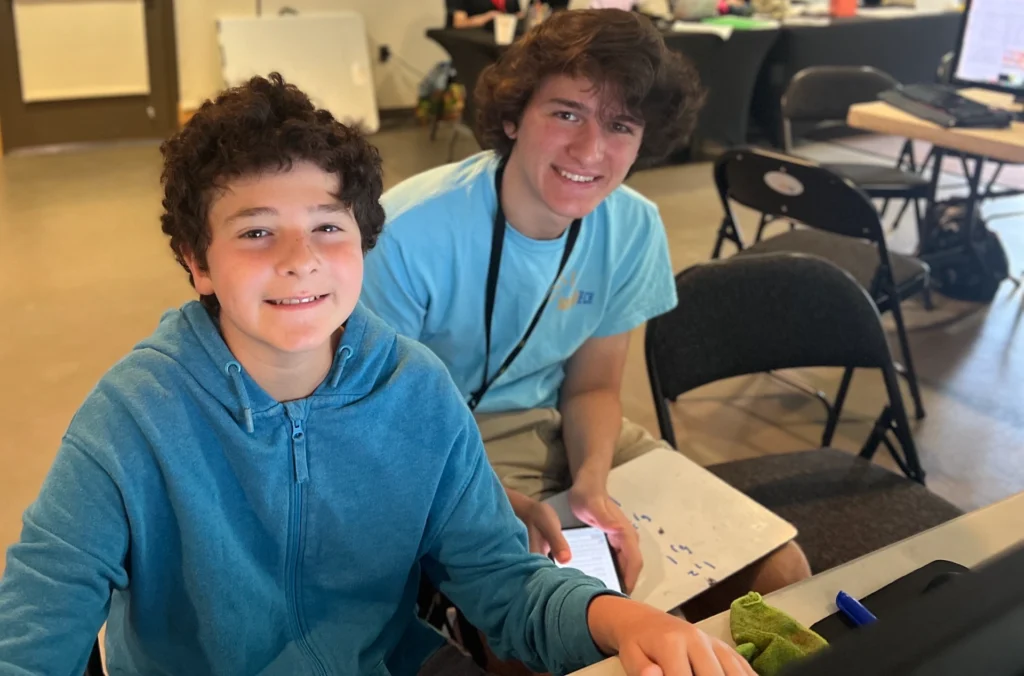
A mentorship-based technology camp with a strong focus on both technical and personal development. Students work in small groups with a 2:1 student-to-teacher ratio, allowing for individualized learning. The program emphasizes conversation, collaboration, and hands-on creation in areas like coding, 3D modeling, and digital arts.
Best for: Students who want a personalized, community-driven experience with real skill development.
Johns Hopkins Center for Talented Youth (CTY)
A well-known academic program offering a wide range of subjects, including technology. Courses are structured and academically focused, often appealing to highly motivated students.
Best for: Students seeking a rigorous, classroom-style academic experience.
iD Tech Camps
A large, nationally recognized program offering courses in coding, game development, and more. These camps are widely available and provide a structured introduction to technology topics.
Best for: Students looking for a broad introduction with a recognizable brand.
MIT Beaver Works Summer Institute
A highly selective program focused on advanced STEM topics. Students work on project-based learning in a more intensive environment.
Best for: Advanced students seeking a challenging and selective experience.
Local or Regional Tech Camps
Many local camps offer technology programs with varying levels of depth and quality. These can be a good option depending on the instructors and structure.
Best for: Families looking for convenience and shorter commitments.
A Different Approach: Learning by Teaching and Doing
One of the biggest differences between programs comes down to how students engage with the material.
At SummerTech, the model is built around a simple idea: students learn best when they are actively involved, not just consuming information.
This shows up in a few key ways:
- 2:1 Student-to-Teacher Ratio
Students receive consistent, personalized attention. - Conversation-Based Learning
Classes are interactive, with a focus on discussion and problem-solving rather than lectures. - Practicum Opportunities
Students don’t just learn concepts, they apply them in real situations, often helping others and reinforcing their own understanding. - Leadership Development
Many students progress into teaching and mentorship roles, building communication and leadership skills alongside technical ability.
The result is a program where students leave not only with stronger technical skills, but with the confidence to use them.
How to Choose the Right Program
Every student is different, so the “best” program depends on what you’re looking for.
Here are a few questions worth asking:
- Does my child learn better in small groups or larger environments?
- Are they looking to explore or to go deeper into a subject?
- How important is community and social experience?
- Do they benefit from structure or flexibility?
- Are they ready for a more advanced or intensive program?
Answering these questions will help narrow down the right fit.
Final Thoughts
There’s no shortage of summer programs focused on technology, but the experience your child has will depend heavily on how the program is structured.
The best programs don’t just teach skills. They build confidence, encourage curiosity, and create an environment where students feel comfortable taking risks and learning from them.
If you’re exploring options for this summer, take the time to look beyond the surface. The right environment can make a lasting impact.
Frequently Asked Questions
What is the best age to attend a tech summer program?
Most programs are designed for middle and high school students, typically ranging from ages 10 to 17. The best time depends on a student’s readiness and interest level. When it comes to coding we feel that a good understanding of multiplication and division is the prerequisite.
Does my child need prior coding experience?
No. Many programs offer beginner tracks, while others are designed for more advanced students. It’s important to choose a program that matches your child’s current level.
Are summer tech programs worth it?
When structured well, they can be extremely valuable. Students gain both technical skills and confidence, especially in programs that emphasize hands-on learning and mentorship.
How do I know if a program is high quality?
Look at class size, instructor experience, curriculum depth, and whether students are actively creating and engaging during the program.
Written by the team behind SummerTech, a technology camp focused on small-group, mentorship-based learning since 2002.